Every backyard has the potential to hide something extraordinary. A secret garden creates a private world that exists just for you, completely apart from the rest of everyday life.
These ideas turn any outdoor space into something genuinely enchanting and worth discovering.
The best hidden corners often start as a garden that feels like a getaway long before any structure goes in.
Let’s explore the ideas.
Arched Gate Entry Covered in Roses
An arched gate covered in climbing roses signals right away that something special is waiting on the other side. Climbing varieties like New Dawn or Zephirine Drouhin work particularly well since they train easily over metal frames. This kind of entrance turns even a simple gate into a small moment of anticipation.
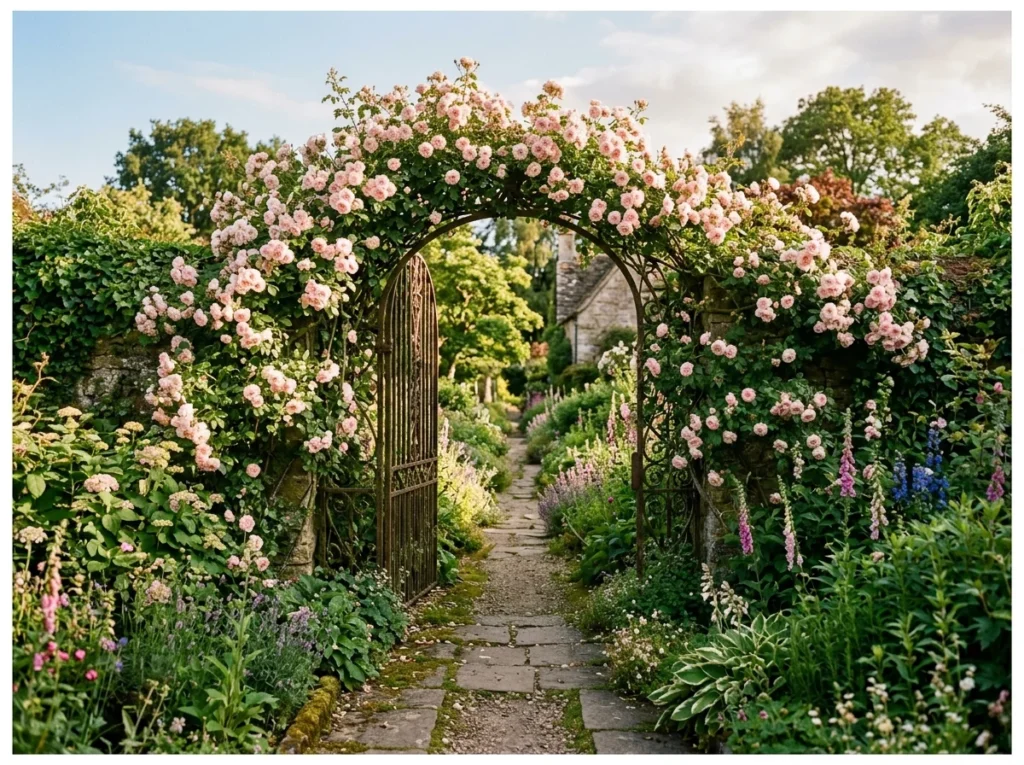
An arched gate covered in climbing roses is the most universally recognized signal that something special lies beyond. The arch frames the entry, the roses create a ceiling of fragrant bloom above, and the gate creates a threshold that separates the ordinary garden from whatever private world waits on the other side.
The psychological effect of passing through a defined entry point is genuinely powerful. The moment you step through the gate the outside world seems to recede. Plant climbing roses like ‘New Dawn’, ‘Cecile Brunner’, or ‘Iceberg’ for the most abundant coverage. Both begin flowering in spring and repeat through summer with minimal care.
The most enchanting garden entrance possible.
Hidden Garden Room Behind a Hedge
A tall hedge, often boxwood or yew, works as a living wall that blocks the space from view entirely. A narrow gap or small opening in the hedge becomes the only clue that something lies behind it. This approach takes a few years to fill in fully but creates real privacy once established.
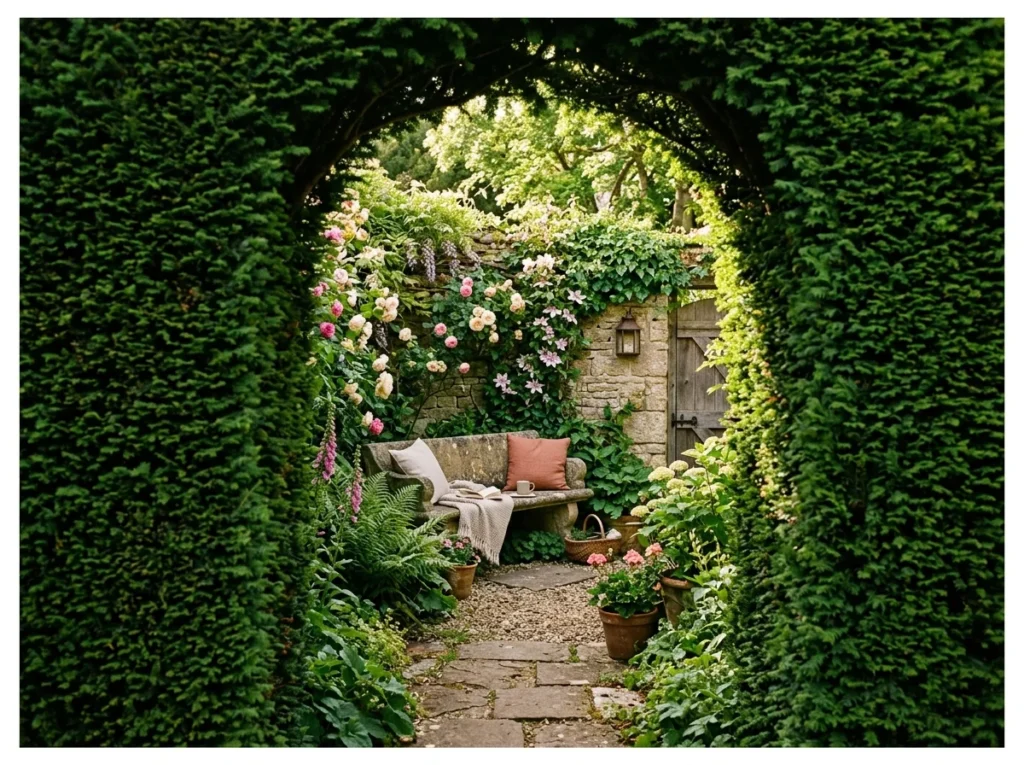
A tall dense hedge with a single opening cut into it creates a hidden garden room that is completely invisible from the surrounding garden until you walk through the gap. The hedge wall provides absolute privacy on every side and creates a sense of complete enclosure that makes the space feel like a world entirely apart.
Yew, photinia, hornbeam, and beech all make excellent hedge walls for a hidden garden room. Hornbeam and beech are particularly effective because they hold their dried leaves through winter, providing privacy and wind protection in every season. Allow three to five years for the hedge to reach full screening height.
While you wait for the hedge to fill in, greenery that shapes a private nook nearby can soften the space in the meantime.
Secret Garden with Winding Stone Path
A winding path, rather than a straight one, makes the space feel larger and more mysterious than it actually is. Irregular stepping stones set slightly apart from each other slow down the pace naturally as people walk through. The curves also hide what’s ahead until you’re actually there, which is really the whole point.
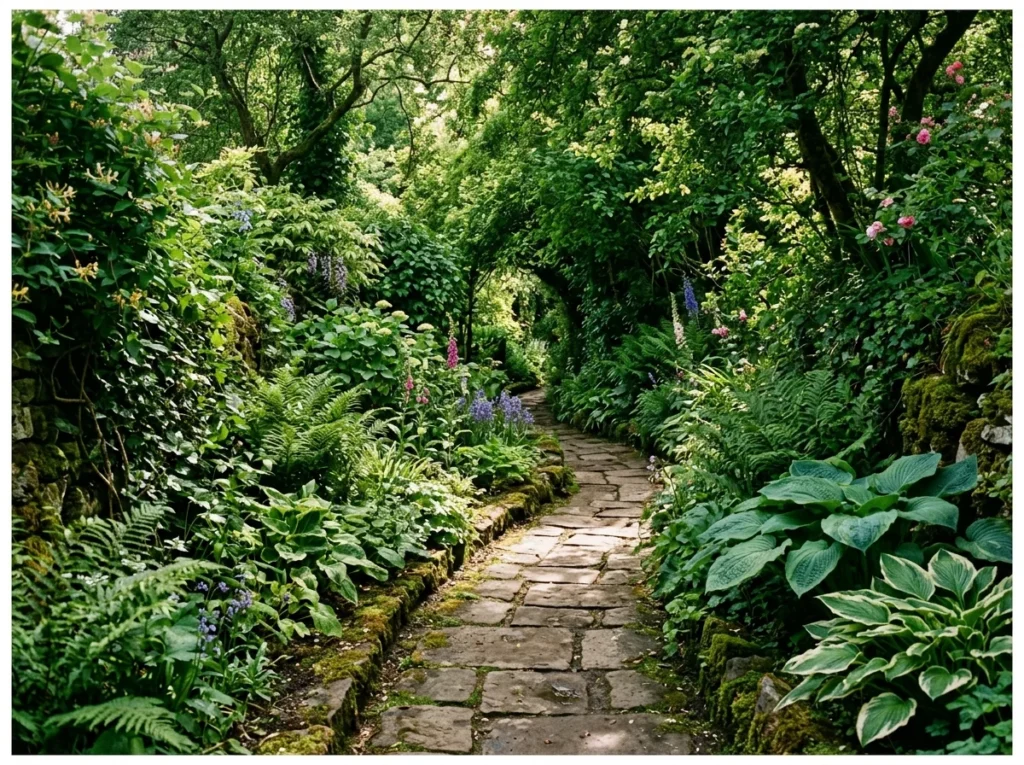
A winding path that curves out of sight around a corner creates the essential mystery of a secret garden. When you cannot see where a path leads, the desire to follow it becomes irresistible. That sense of discovery is the fundamental emotional quality that all great secret gardens share.
Use irregular flagstones, stepping stones, or reclaimed brick for the path surface. Allow moss and low groundcovers to grow naturally between the stones over time. Plant densely on each side so the planting leans over the path slightly, creating a green corridor that draws you forward into the hidden space beyond.
Discovery begins with a path that disappears.
Garden Nook with a Reading Chair
A single chair tucked into a quiet corner turns an unused patch of garden into a proper retreat. Shade from a nearby tree or trellis makes the spot usable even during warmer months. A small side table for a book or cup of tea completes the setup without needing much else.
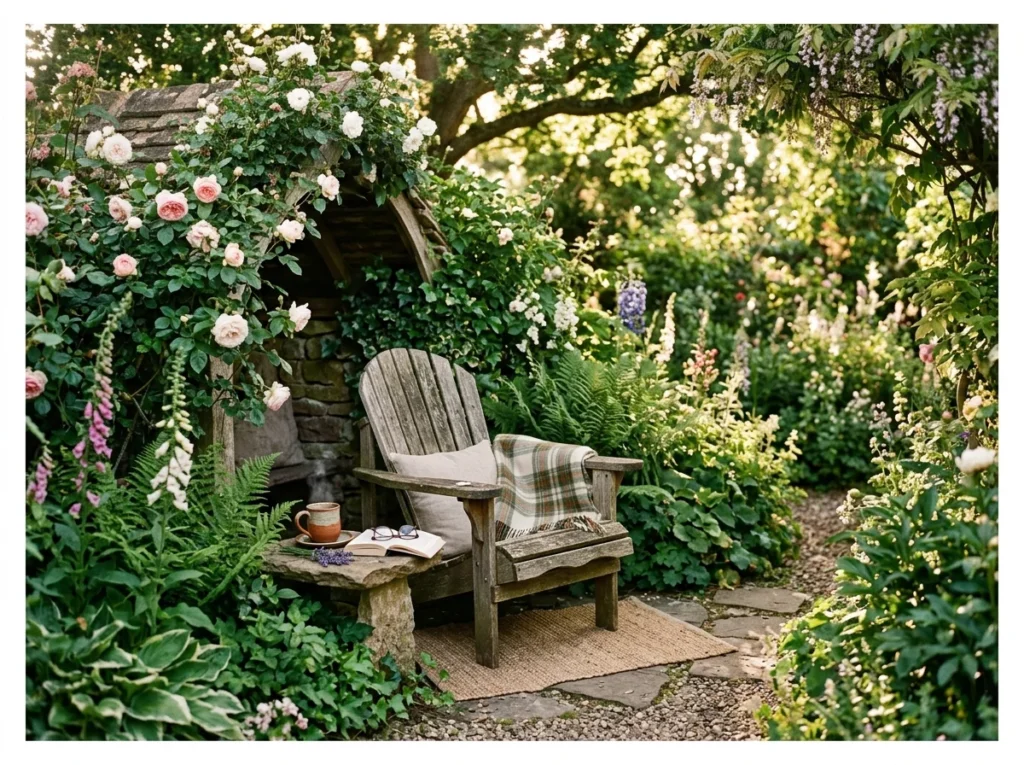
A garden reading nook is created by positioning a single comfortable chair in a naturally or deliberately enclosed alcove within the garden. The enclosure can be formed by dense planting on three sides, a hedge curve, a garden wall, or overhanging tree branches that create a natural ceiling.
The single chair is the most important element. A secret garden reading nook is intentionally a space for one person alone. It is a retreat from company as much as from the rest of the world. A small side table for a cup of tea, a candle, and a book is all the furniture this space needs.
If you want more inspiration for the setup, a quiet corner just for sitting is worth exploring before you settle on a chair.
Perfect for small corners that need a purpose.
Secret Garden with a Fountain
The sound of running water helps mask outside noise, which adds to the feeling of seclusion. Small tiered fountains work well in tighter spaces where a full pond isn’t practical. Stone or moss around the base helps the fountain look like it’s always belonged there.
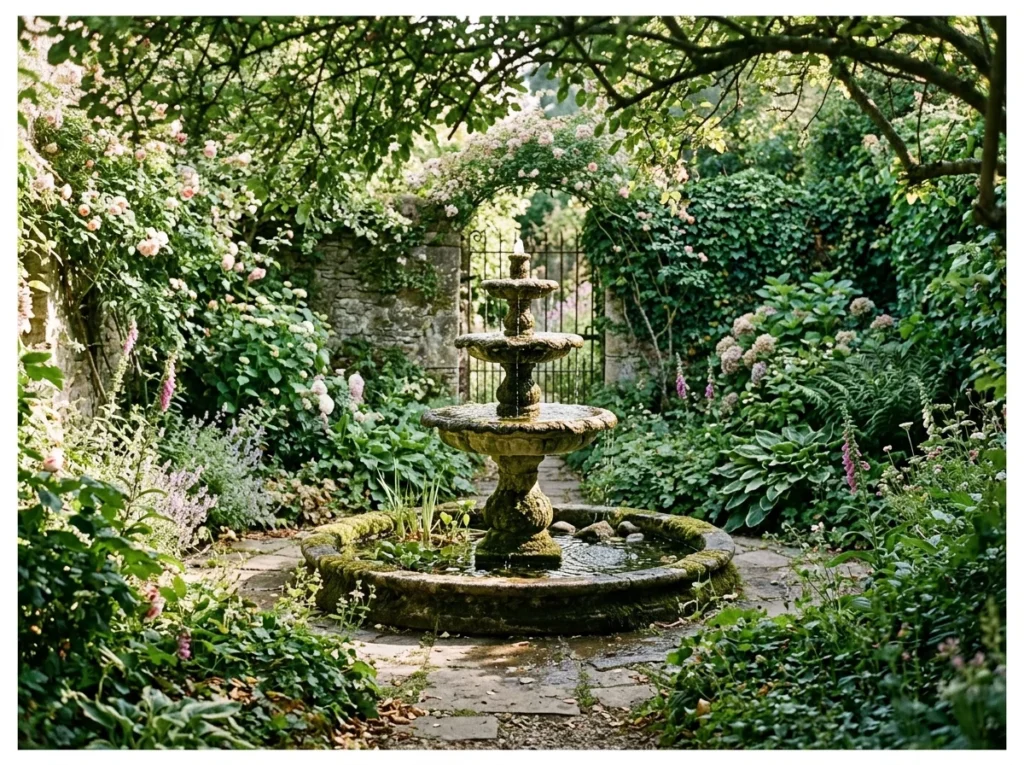
A fountain placed at the center of a secret garden creates an acoustic presence that draws you toward the space before you can even see it. The sound of trickling water through the surrounding planting announces the garden and creates an atmosphere of calm that begins the moment you enter.
Stone or cast concrete fountains develop a beautiful moss and algae patina over time that makes them look ancient and established even when relatively new. A classical tiered design suits formal secret gardens. A simple stone basin with a single bubbling jet suits naturalistic or cottage garden styles. Either way the water transforms the space.
Hear it before you see it.
Woodland Garden Under Tree Canopy
Existing trees provide natural shade, which shapes what can actually grow underneath them. Ferns, hostas, and other shade tolerant plants fill in the ground layer well in these conditions. Dappled light through the branches gives the whole area a softer, more filtered feel than open garden beds.
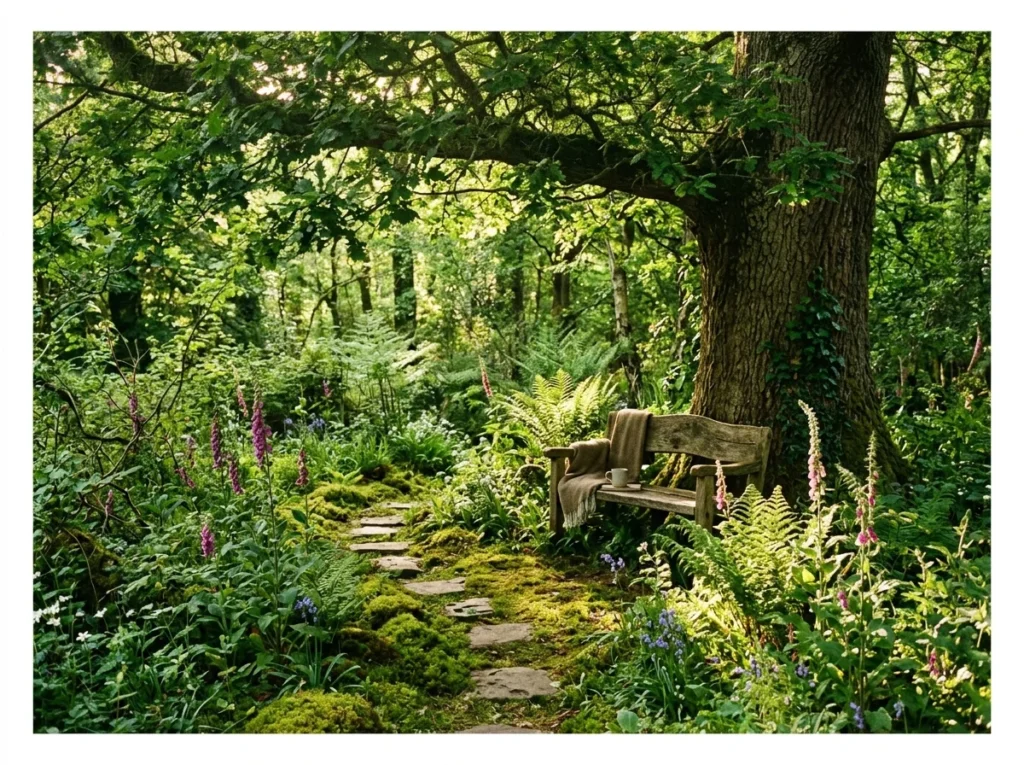
A woodland secret garden uses an existing mature tree canopy as the ceiling of the hidden space. The filtered light beneath a mature oak, beech, or maple creates conditions for shade-loving plants that produce a lush, naturalistic undergarden completely different from the open sunny garden above.
Ferns, hostas, foxgloves, hellebores, bluebells, and native wildflowers all thrive in the cool dappled shade beneath a tree canopy. A simple bench positioned against the trunk completes the space. The natural root pattern of the tree and the surrounding planting create a sense of place that took decades of growth to establish.
The most naturally enchanting garden setting possible.
Secret Garden with Fairy Lights
String lights woven through branches or along a fence add a soft glow once the sun goes down. Warm white bulbs tend to suit this style better than cooler toned ones. Even a small string of lights can make an evening visit to the garden feel like an event.
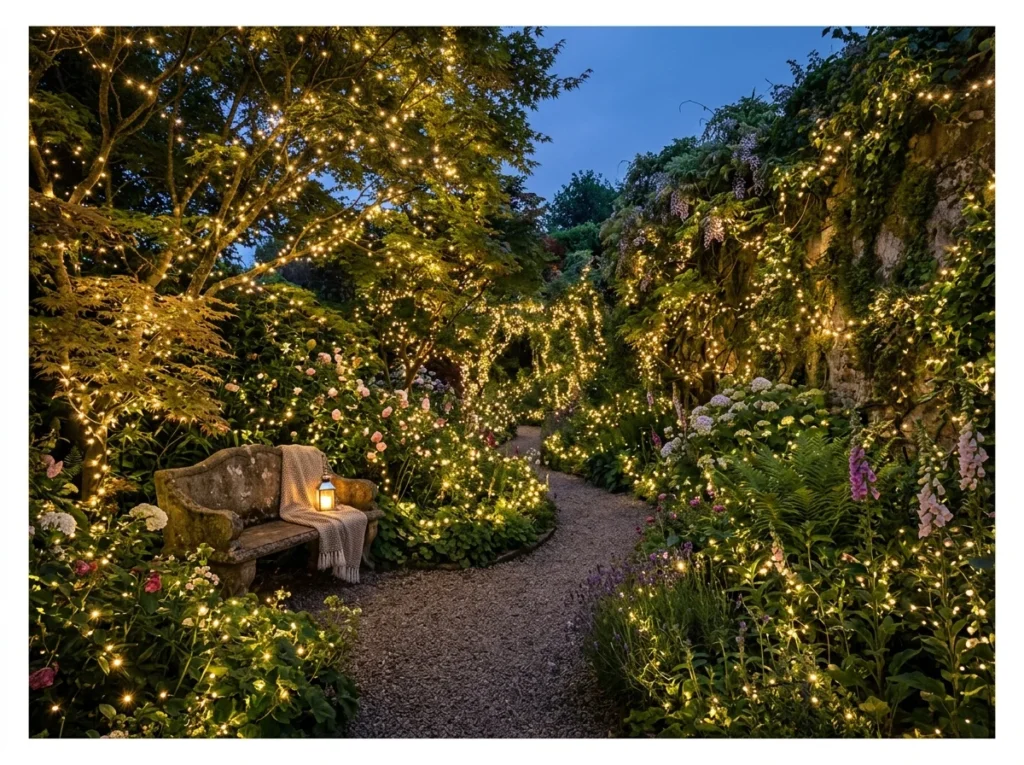
Winding warm white fairy lights through the branches, climbing plants, and shrubs of a secret garden creates an evening atmosphere so enchanting it genuinely feels like a different world from the garden during daylight hours. The light appears to come from everywhere simultaneously rather than from a single source.
Use solar-powered fairy lights with warm white bulbs and a timer so they activate automatically at dusk without any intervention. Wind them loosely through branches rather than tightly wrapping individual stems. The random, scattered quality of loosely draped fairy lights creates a natural effect that looks like bioluminescence rather than decoration.
The garden transforms completely after dark.
Walled Garden with Climbing Plants
A wall, whether brick or stone, gives climbing plants like ivy or clematis something sturdy to grip onto. Over time the plants soften the hard surface and make the wall feel less like a boundary. This style also adds real privacy since the wall blocks sightlines from outside completely.
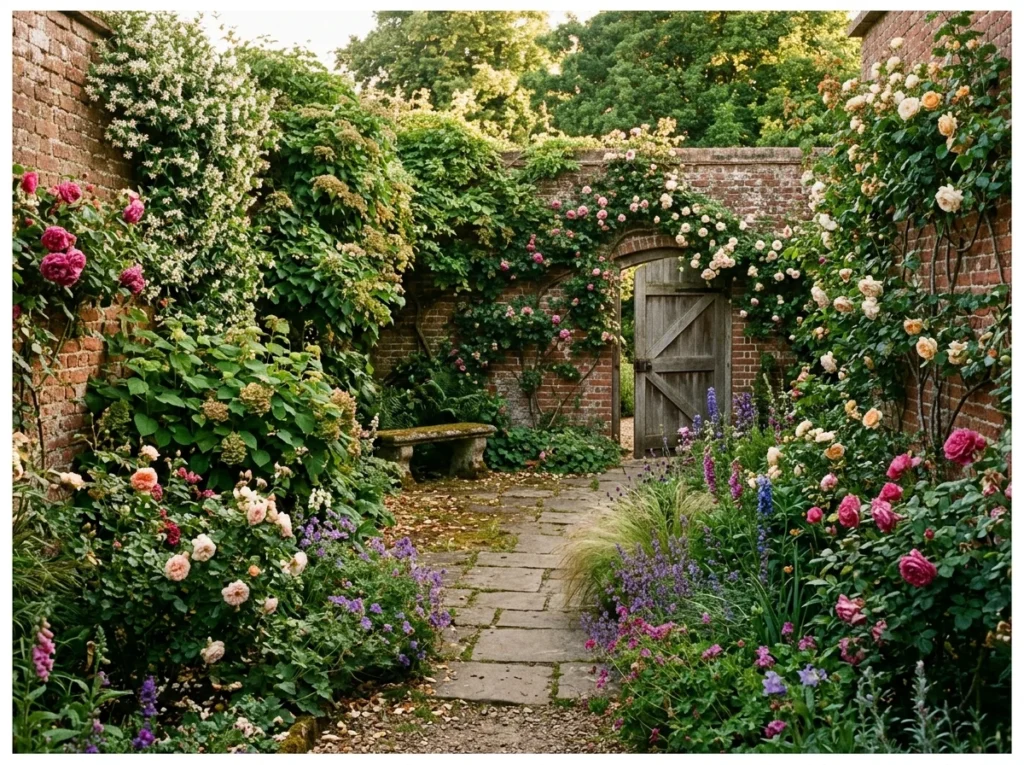
A walled garden uses old brick, stone, or rendered masonry walls to create complete enclosure that provides privacy, wind protection, and a warm microclimate significantly warmer than the surrounding open garden. The walls become planting surfaces covered over years with climbing plants.
Jasmine, climbing hydrangea, wisteria, espaliered fruit trees, and climbing roses all suit wall training beautifully. The south-facing wall of a walled garden receives maximum sun and suits the most tender climbing plants. The north-facing wall suits shade-tolerant climbers like hydrangea petiolaris. Within the walls, almost anything will grow because of the sheltered warm conditions.
Secret Garden with a Garden Arch
An arch placed partway through the garden marks a transition from one section to the next. Training vines or roses over the structure turns it into a living frame rather than just metal or wood. It works especially well as a visual pause point along a longer path.
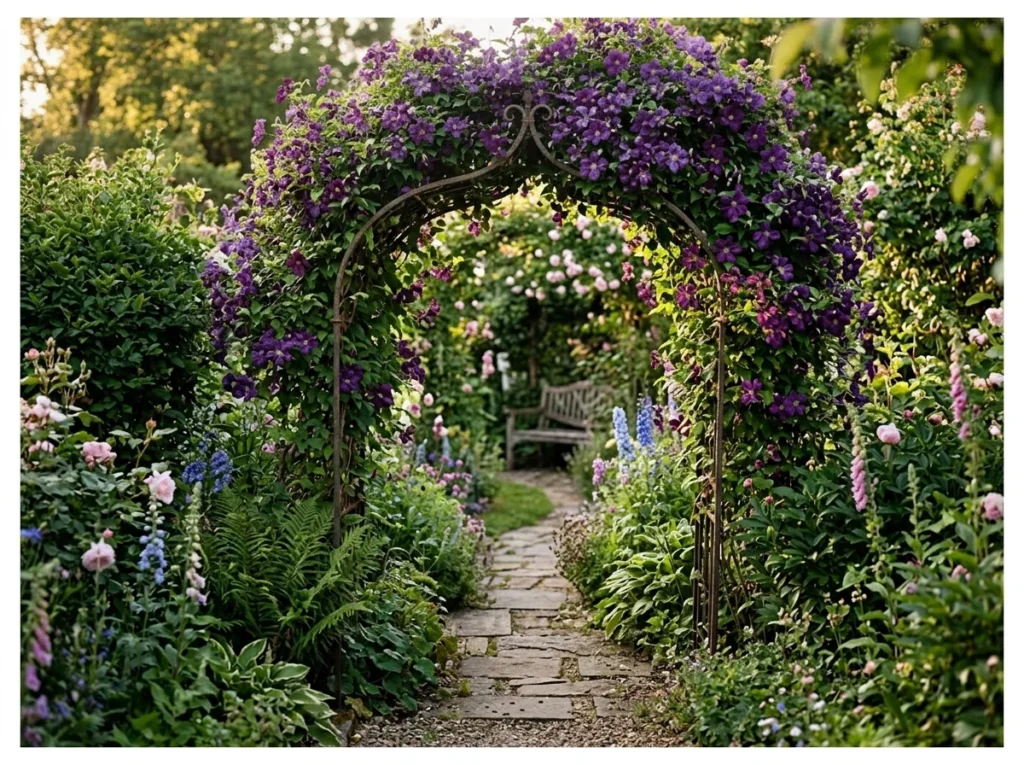
A garden arch covered in flowering climbers creates a natural doorway into a secret garden space without requiring a gate or solid structure. The arch frames the transition from one part of the garden to another and the flowering plant overhead creates a ceiling of bloom that makes the passage genuinely magical.
Clematis, climbing roses, and wisteria are the three most popular arch climbers. Clematis flowers prolifically and comes in colors from deep purple to pure white. Growing different clematis varieties on each side of the arch that flower at slightly different times extends the season of bloom for the arch as a whole.
Hidden Courtyard Garden
A courtyard tucked between walls or buildings often goes unused, which makes it a good candidate for this kind of garden. Container plants work well here since courtyards frequently have limited or no direct soil access. The enclosed layout naturally creates privacy without needing any additional screening.
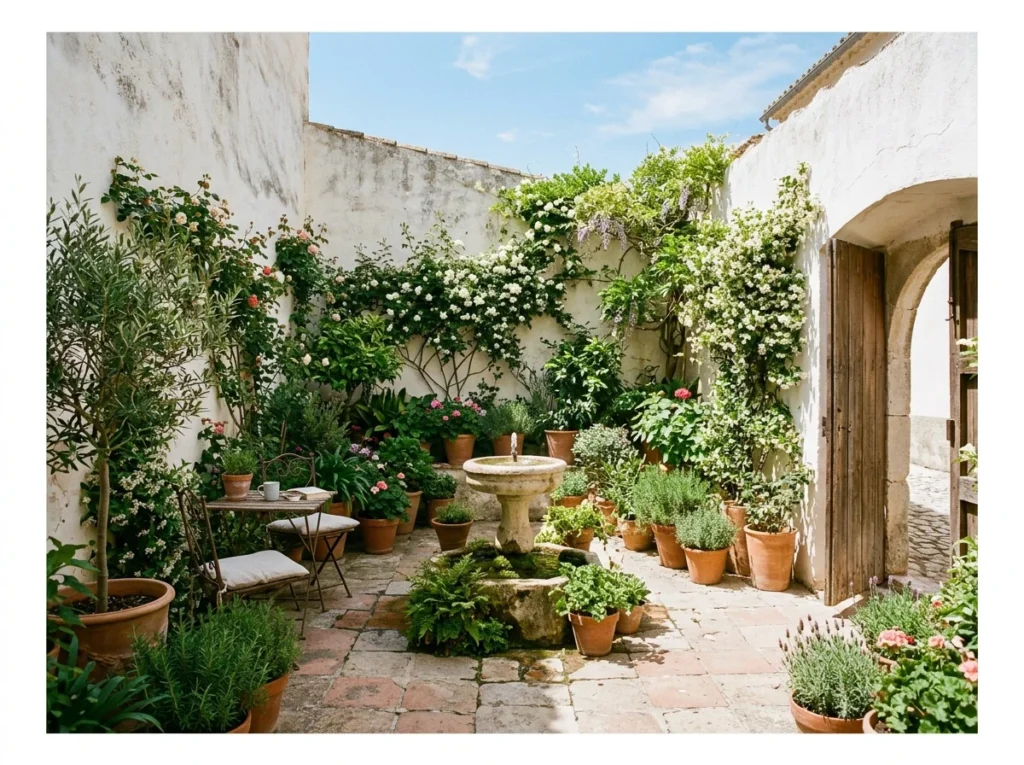
A hidden courtyard uses walls on multiple sides to create a completely enclosed garden room that is invisible from outside until you step through the single entry point. The enclosing walls concentrate warmth, amplify fragrance, and create a genuinely separated world from the main garden.
Courtyards suit gardens where an existing outbuilding, garage, or boundary wall already creates partial enclosure. Add one or two more walls to complete the enclosure and you have created a private room from what was previously a dead corner of the property. Even a small three by three meter courtyard feels spacious when well designed.
Perfect for small spaces.
Secret Garden with Moss and Ferns
Moss tends to take over shaded, damp areas on its own if left undisturbed. Pairing it with ferns creates a layered green look that feels closer to a forest floor than a typical garden bed. This combination works best in spots that get little to no direct sunlight.
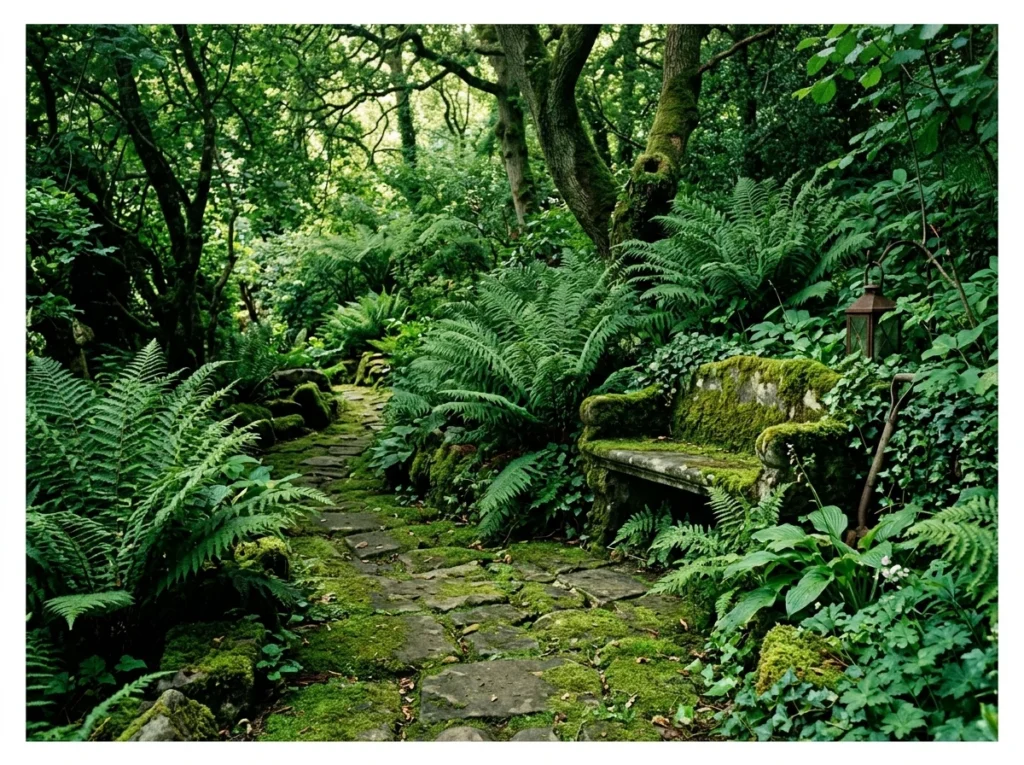
A moss and fern garden creates the most ancient and timeless secret garden atmosphere of any planting style. Moss growing over stones, paths, walls, and garden furniture creates the impression that the space has been undisturbed and quietly growing for centuries.
Encourage moss by keeping the area moist and shaded, removing competing weeds, and inoculating stone surfaces with a moss slurry made from blended moss and buttermilk. Ferns establish readily in shaded, moist conditions and increase in number and size each year. The combination of moss and ferns creates a garden that feels genuinely primordial.
Ancient, timeless, and deeply atmospheric.
Garden with a Hidden Bench
Placing a bench slightly off the main path, behind some planting, gives it a sense of discovery. This works well for anyone who wants a quiet spot without it being the first thing visitors notice. Surrounding the bench with taller plants on either side adds a bit more privacy too.
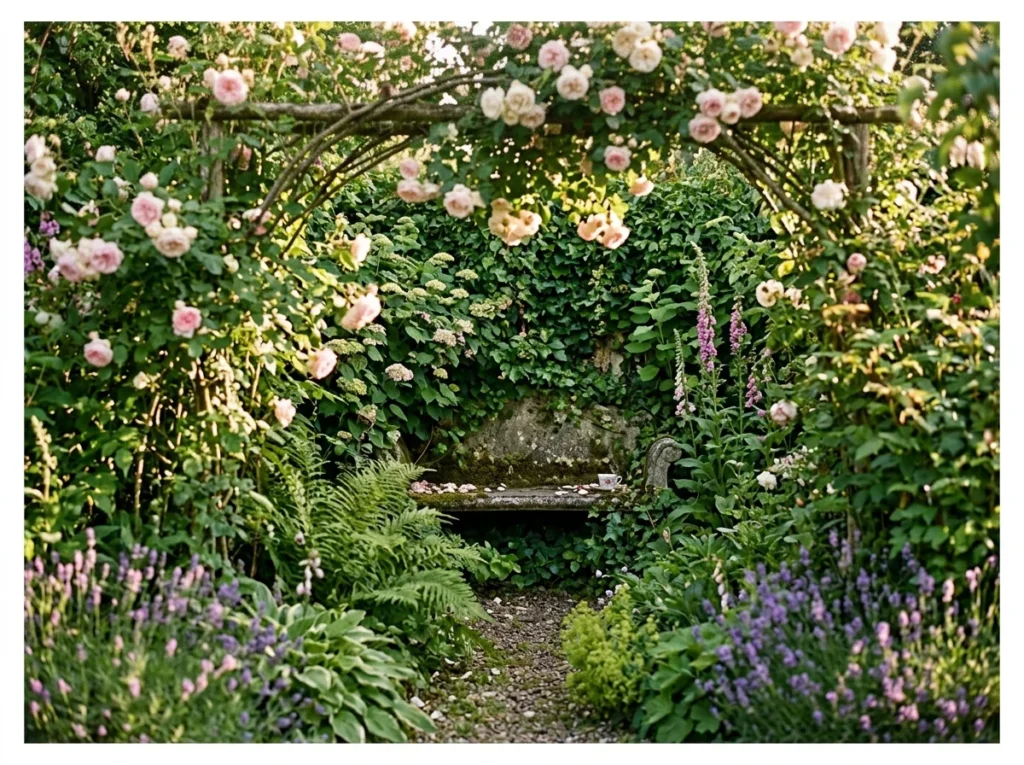
A bench that is genuinely hidden within planting creates a reward for the person who seeks it out. Surrounded on three sides by dense roses, lavender, or overhanging shrubs so it is only visible when you are standing directly in front of it, the bench becomes a private destination within the larger garden.
Place the bench at the end of a meandering path that gives no indication of where it leads. The discovery of the hidden seat and the sitting down into that private enclosed space within the planting is one of the most satisfying experiences a well-designed garden can provide.
Secret Garden with Wildflowers
A wildflower patch brings a looser, less structured look compared to formal planting beds. Self seeding varieties mean the area changes slightly from year to year without much extra effort. This style also tends to attract more bees and butterflies than a manicured garden would.
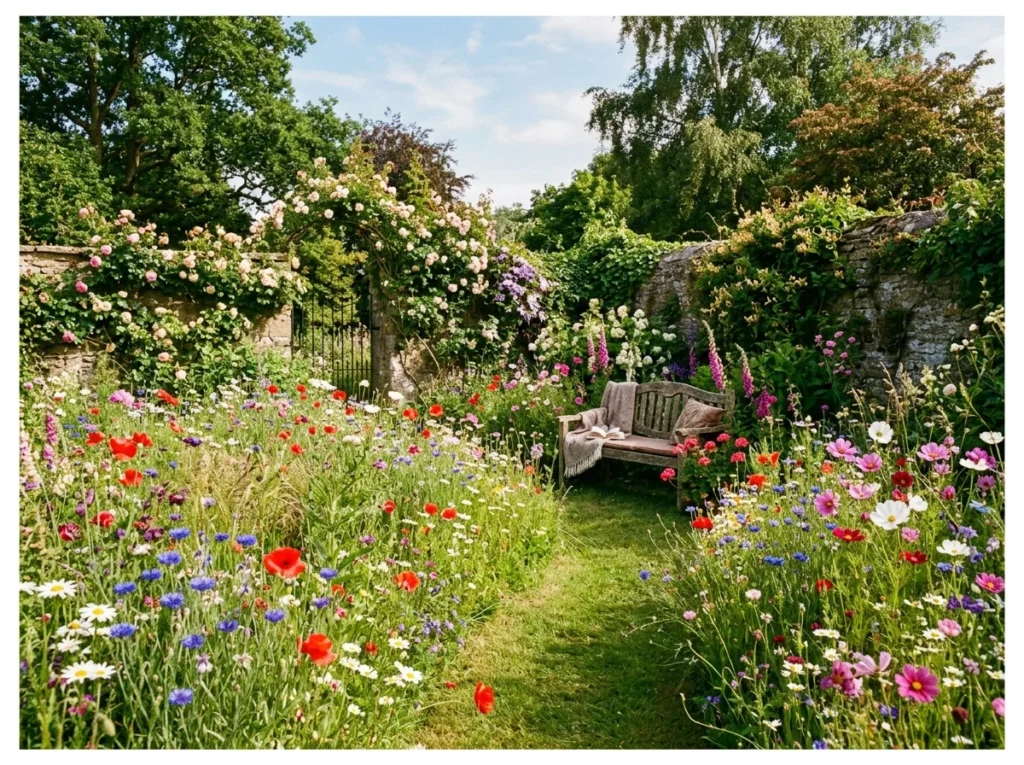
A wildflower secret garden sows a diverse mix of annual and perennial wildflowers in a hidden corner or separate section of the garden and allows them to grow, seed, and spread naturally over time. The result looks beautifully wild and completely alive with insect activity.
A mown path through the wildflower planting leading to a hidden seat or clearance at the center creates the essential discovery structure. The path signals that the wild planting is intentional and draws you through the flowers rather than leaving the meadow as something to view from a distance.
Wild, joyful, and genuinely ecological.
Garden with a Pergola Retreat
A pergola creates a defined outdoor room even without any walls around it. Climbing plants trained over the top add shade gradually as they fill in over a season or two. Furniture placed underneath turns the space into a proper sitting area rather than just a structure.
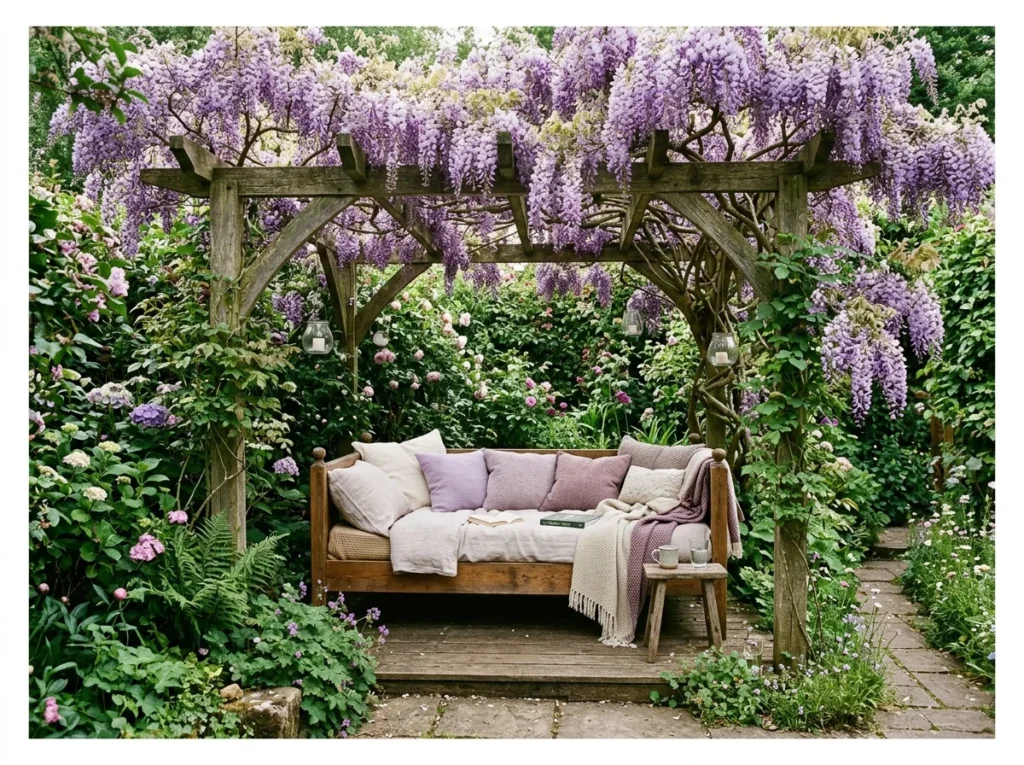
A pergola positioned at the most private or hidden corner of the garden and covered in mature climbing plants creates a secret retreat with a living roof and a strong sense of enclosure. The plants growing over the beams create the canopy that transforms the open structure into an intimate garden room.
Wisteria is the most spectacular pergola climber for a secret garden retreat because the flowering cascades are genuinely breathtaking and the fragrance is extraordinary. Allow three to five years for wisteria to establish before it produces significant flowering. The wait is completely worth it and the plant improves every subsequent year.
For a slightly more structured version of this idea, an overhead retreat covered in blooms achieves a similar sense of enclosure much faster.
Moonlight Garden with White Flowers
White and pale colored flowers reflect moonlight, which makes them stand out after dark in a way other colors don’t. Jasmine and moonflower are popular choices here since they also release fragrance in the evening. This kind of garden is really designed to be experienced at night rather than during the day.
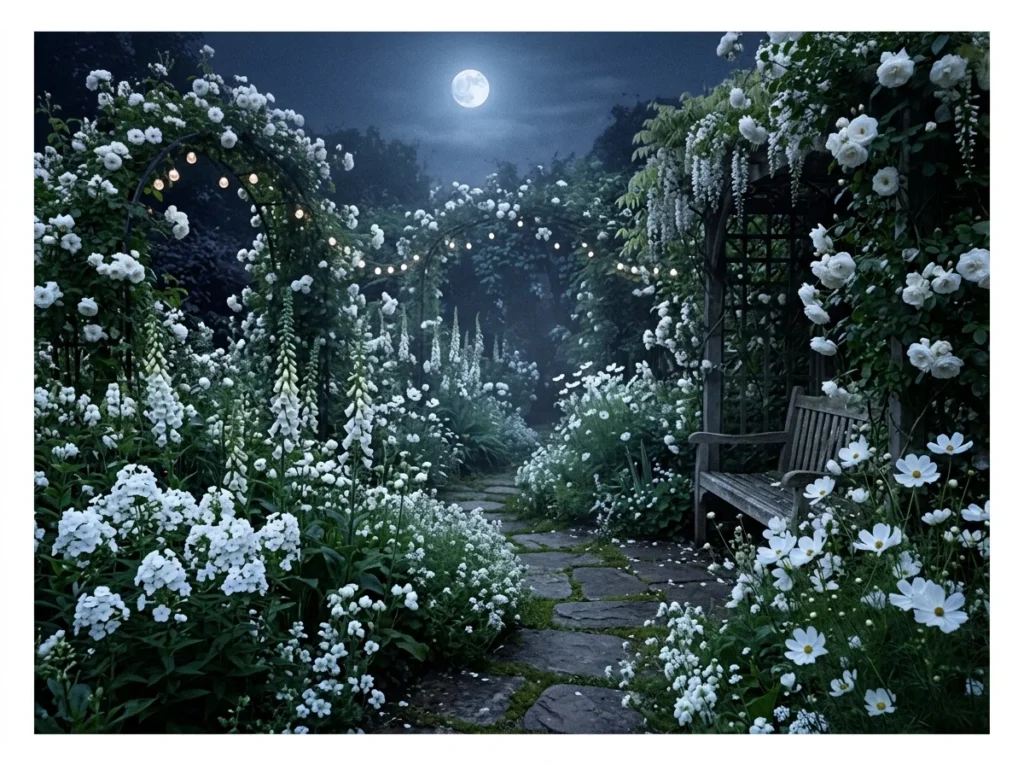
A moonlight garden plants exclusively white or pale cream flowering plants and silver-leafed foliage so the garden becomes most beautiful and most visible after dark when the pale flowers glow luminously in moonlight or low garden lighting.
White roses, white foxgloves, white phlox, white cosmos, white agapanthus, silver artemisia, and pale hydrangeas all contribute to a moonlight garden palette. The garden looks modest during the day but transforms after sunset into something genuinely otherworldly. This is one of the few garden styles that is specifically designed for evening experience.
The garden that blooms after sunset.
Pair the pale blooms with a warm glow that lingers after sunset for an evening garden that feels genuinely magical.
Secret Garden with Water Feature
A pond or small stream adds another layer of sound and movement to the space. Aquatic plants like water lilies can be added if the feature is large enough to support them. Even a modest sized feature changes the feel of the garden noticeably.
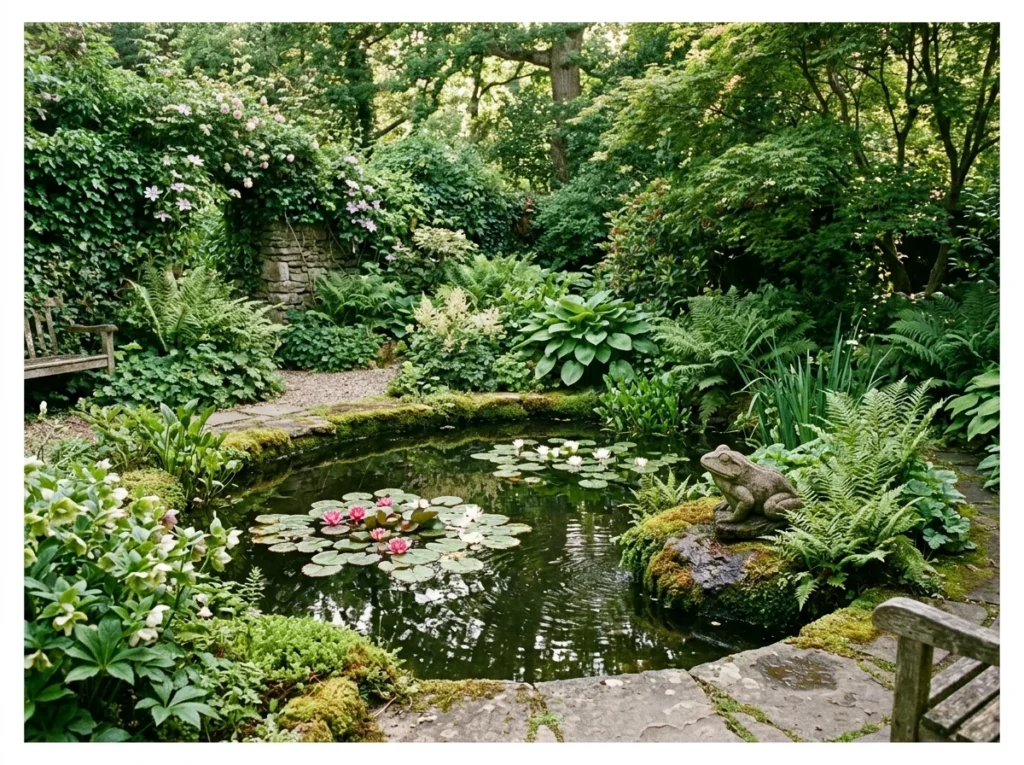
A small pond or naturalistic water feature placed at the heart of a secret garden adds a reflective surface that doubles the apparent depth of the space and creates an acoustic environment unique among garden spaces. The sound of water, the reflection of surrounding plants, and the movement of water insects make the space feel genuinely alive.
Even a small pond of one square meter provides habitat for dragonflies, frogs, water snails, and water plants. A liner pond excavated into the ground and edged with overhanging plants and flat stones looks completely natural within a few seasons. A secret garden with water feels fundamentally different from one without it.
Garden Hideaway for Children
A small enclosed area with low branches or a simple structure gives kids their own dedicated space. Soft ground cover or mulch underneath makes it safer for play compared to hard paving. A lot of these hideaways end up doubling as spots for imaginative games rather than just sitting areas.
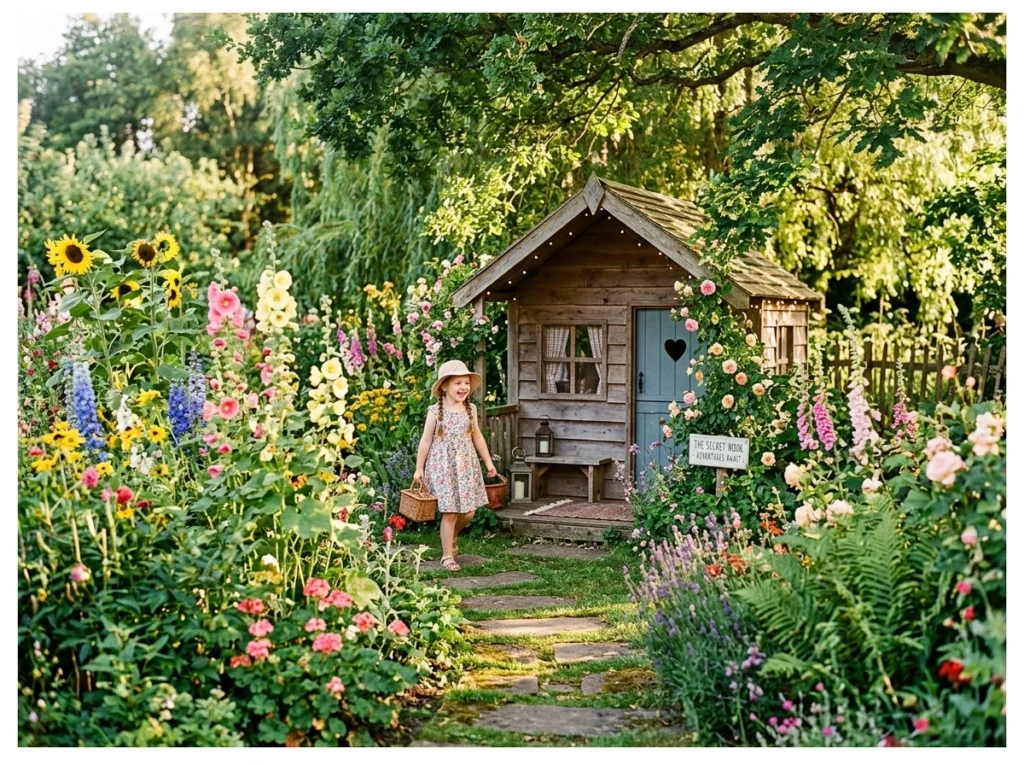
A secret garden hideaway designed specifically for children creates a space where their imagination can run completely free. A small timber playhouse partially concealed by surrounding planting, a child-scale stepping stone path, a sunflower tunnel, and a kitchen garden of easy vegetables and herbs give children a garden world entirely their own.
Children who have their own private garden space develop a relationship with nature and growing things that stays with them for life. Let them choose some of the plants, allow the space to be slightly wild rather than perfectly maintained, and create at least one genuine discovery element such as a hidden door or a path that disappears around a corner.
A garden that belongs entirely to them.
Bring the same sense of ownership indoors too, since a play space built just for kids can carry the same imaginative spirit.
Secret Garden with Vintage Decor
Old garden ornaments, weathered urns, or a reclaimed iron gate all add a sense of history to the space. These pieces don’t need to match perfectly, which is actually part of the appeal. A slightly aged look tends to suit this style better than anything too polished or new.
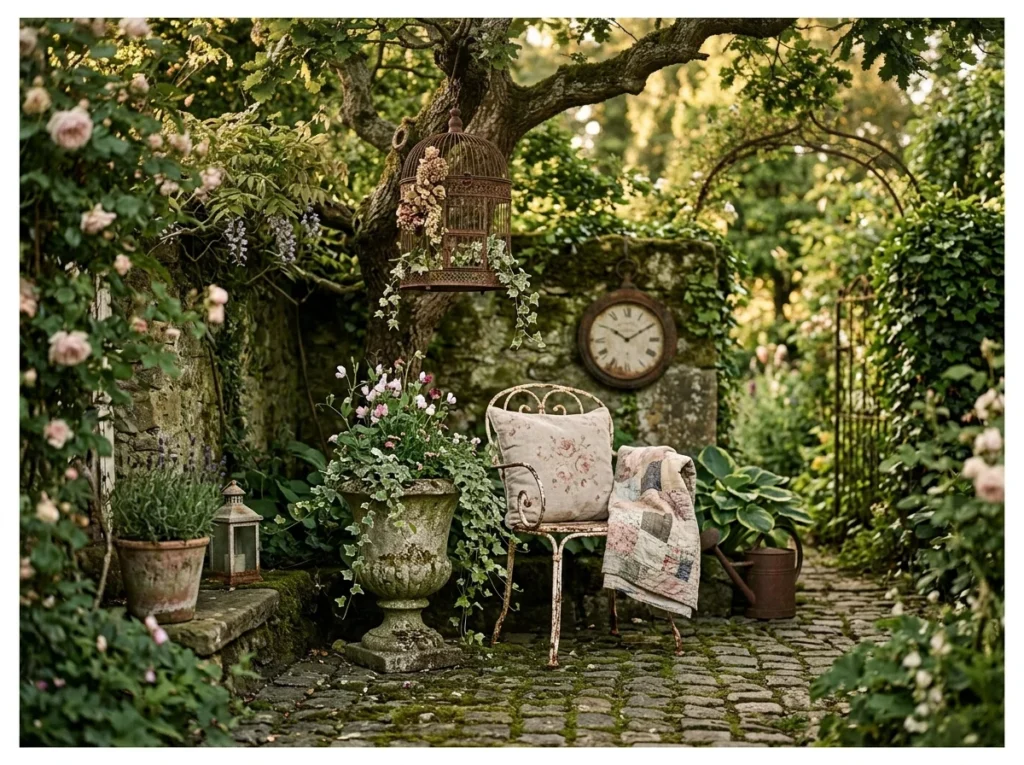
Vintage and antique garden objects placed throughout a secret garden create a feeling of layered history that new gardens cannot manufacture. Weathered iron birdcages, old stone urns, antique sundials, peeling painted chairs, and aged terracotta pots all suggest that the garden has been accumulating meaning over a long period of time.
Source vintage garden objects from salvage yards, antique markets, and estate sales rather than buying new items made to look old. The genuine weathering and wear on authentic vintage pieces creates an authenticity that reproduction items cannot replicate. Each object tells its own story and contributes to the cumulative atmosphere of the whole garden.
Collected over time, more beautiful for it.
Garden with Natural Stone Walls
Dry stacked stone walls give a garden structure without looking overly formal or manufactured. Gaps between the stones are often used to tuck in small trailing plants. This approach also works well on sloped properties where the wall can double as support.
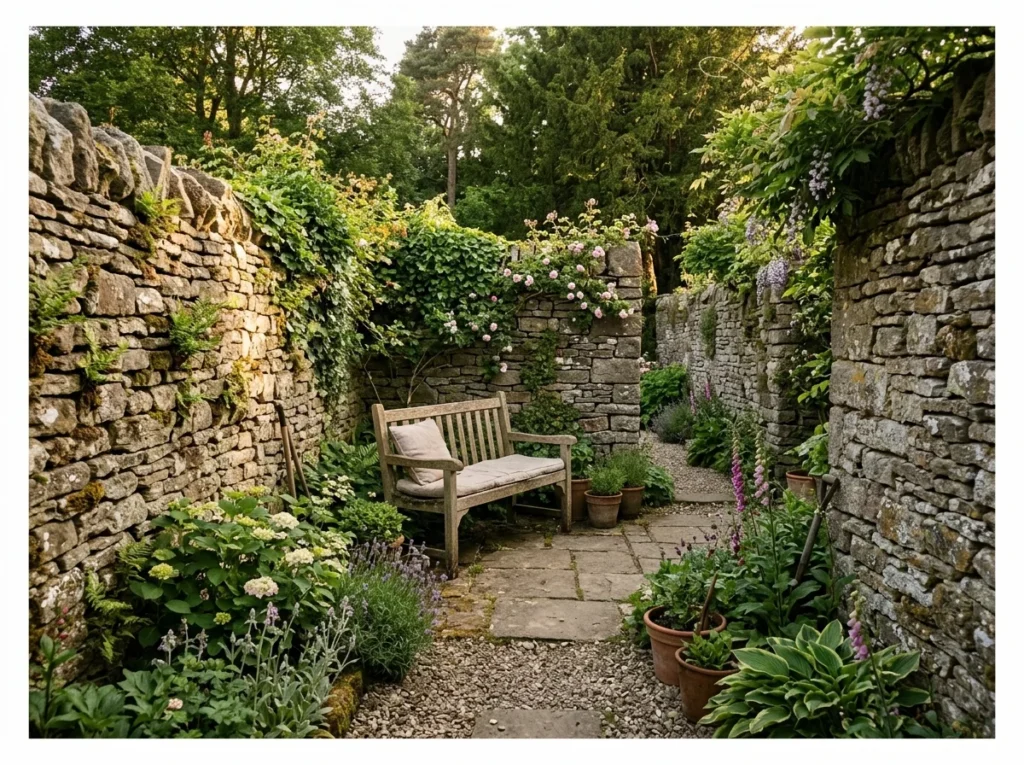
Natural stone walls create the most ancient and permanent-feeling secret garden enclosure available. Whether dry-stacked fieldstone, coursed limestone, or rough-cut sandstone, stone walls develop moss, ferns, and small plants growing from between the courses over time in a way that makes them look genuinely old.
A secret garden enclosed by stone walls has a completely different microclimate from the surrounding open garden. The stones absorb heat during the day and release it slowly through the evening, creating conditions several degrees warmer than outside. This warmth suits tender plants that would not survive the open garden and creates a sheltered sanctuary in every sense.
Secret Garden with Fragrant Plants
Plants like lavender, jasmine, and sweet peas are chosen here specifically for scent rather than just appearance. Placing fragrant plants near a bench or path means the smell is noticed as people pass through. This sensory layer is often what makes a garden memorable beyond just how it looks.
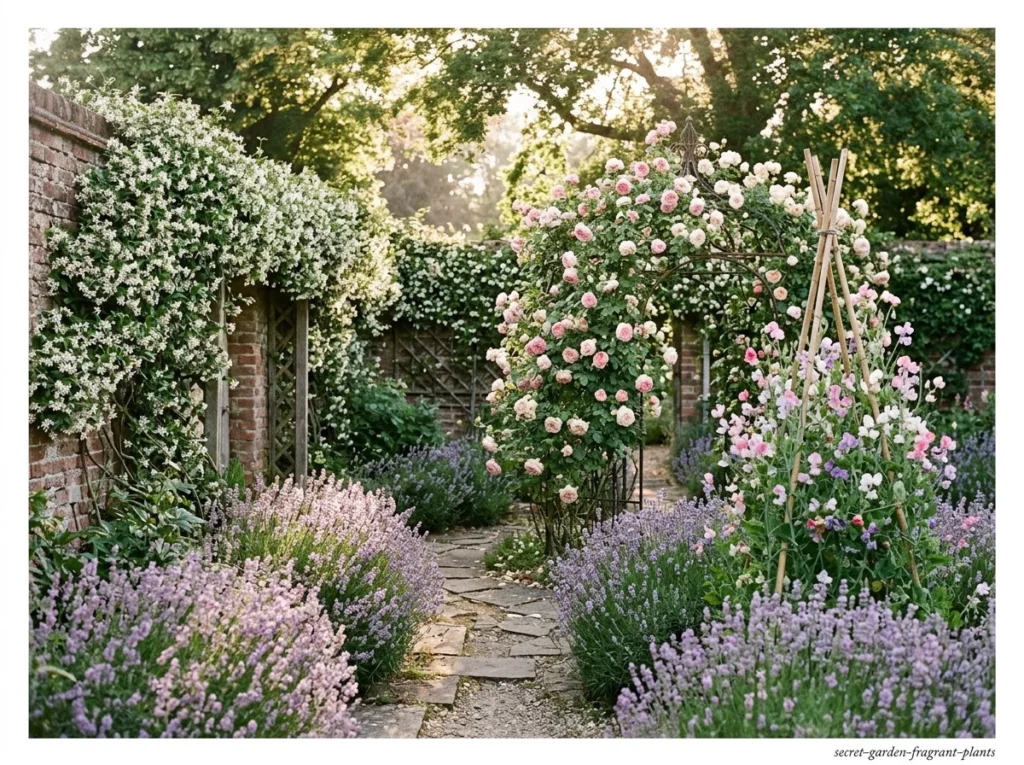
A secret garden planted primarily for fragrance creates a sensory experience that goes far beyond visual beauty. The moment you enter a garden where jasmine, lavender, roses, and sweet peas are all in bloom simultaneously, the combination of scent and warmth creates a genuinely transported feeling.
Plan for fragrant plants that peak at different times throughout the season. Winter-flowering sweet box and mahonia provide fragrance from late winter. Spring brings hyacinths and sweet violets. Summer delivers the peak with roses, jasmine, lavender, and sweet peas. Autumn-flowering sweet autumn clematis extends the season beautifully.
The most sensory garden style of all.
Garden Room with Glass Door Entry
Glass doors mark a clear transition point while still letting the space feel open rather than closed off. This works well when the garden room connects directly to an indoor living area. The glass also means the garden stays visible year round, even when it’s too cold to sit outside.
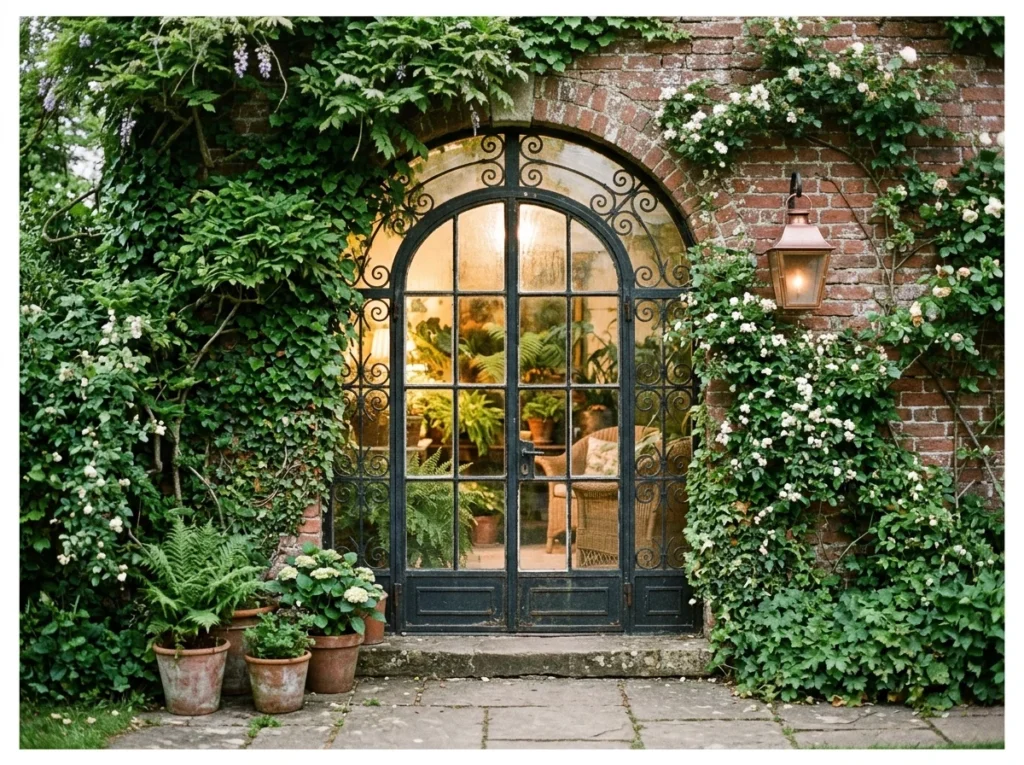
A glass-paneled door set into a garden wall or dense hedge creates one of the most tantalizing secret garden entrances possible. The glass reveals just enough of what lies beyond to create irresistible curiosity while the closed door maintains the separation that makes the entry feel significant.
Antique wrought iron and glass doors sourced from architectural salvage yards suit this application perfectly. The aged metal frame and vintage glass create an authenticity that new doors cannot replicate. Frame the doorway with climbing plants on each side and a moss-covered stone threshold at the base to complete the enchanted entry effect.
The glimpse through the glass makes everything more mysterious.
Conclusion
A secret garden is one of the most personally meaningful things you can create in an outdoor space. It is not designed to impress visitors or photograph well from the street. It is designed entirely for the person who inhabits it, to provide a genuinely private, sensory, and restorative experience that everyday life rarely offers.
Start with the one idea from this list that resonates most deeply with you. Whether that is a rose-covered arch that marks a threshold, a hidden bench surrounded by fragrant planting, or a moss-covered stone seat under a tree canopy, begin with the element that excites you and build outward from there.
The most magical gardens are not built overnight. They are grown, tended, and discovered over time. Start yours today.
Even a handful of small details that add up over time can turn an ordinary corner into a place worth discovering.